What are the New Elements in HTML5?
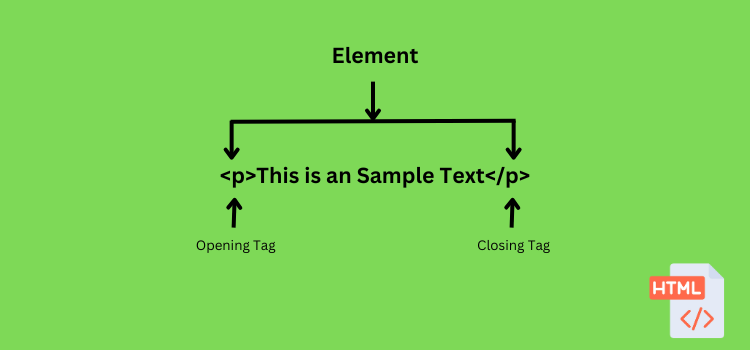
HTML5 introduced several new elements that provide more structure and better semantic meaning to web pages. Here are some of the key new elements:
1. <article>
Represents independent, self-contained content, such as a blog post, a news article, or a forum post.
2. <section>
Defines sections within a document, such as chapters or groupings of content.
3. <nav>
Specifies navigation links.
4. <header>
Represents introductory content or a group of navigational links.
5. <footer>
Represents the footer of a document or a section. It typically contains information like copyright, contact information, or links to privacy policies.
6. <aside>
Represents content that is tangentially related to the content around it, such as a sidebar.
7. <mark>
Used to highlight text that is of special relevance or importance.
8. <progress>
Represents the progress of a task, like a progress bar. It is commonly used to show the progress of file uploads or downloads.
9. <summary>
Defines a heading for the <details> element. It is the clickable part that can be expanded or collapsed.
10. <figure>
Represents self-contained content that can be independently referenced, like an image, diagram, or illustration.
11. <figcaption>
Provides a caption or description for the content within a <figure>.
12. <datalist>
Contains a set of <option> elements that represent predefined options for an <input> element. It helps in providing suggestions to the user.
© 2025Think4u. All Rights Reserved.